Katharina Kruse
Patagonia
Between Headwind and Freedom
Patagonia was, for a long time, more of a thought sitting somewhere in the back of my mind. Not a concrete plan, something that just felt too big, too far away, almost a bit unrealistic. Until one evening, when I should have already been asleep, I was mindlessly scrolling through Instagram and suddenly came across the bikepacking
event Final Frontier Patagonia.
3000 kilometers through Chile and Argentina in 24 days.
The more I looked into it, the stronger the feeling became: I have to do this. And at the same time, I kept thinking that it was actually a completely ridiculous idea. That night I started researching everything – weather, route, elevation, gear – and the more I understood, the clearer it became how unpredictable this journey would be.
And somehow, exactly that is what pulled me in. The next morning I stood in front of Tim and didn’t ask, “Do you maybe want to come?” but rather said:
“I’m going to Patagonia. Are you in?”
Five months later, we were on a flight to Chile.

In March, we started in Puerto Montt in the south of Chile. From there, the route took us along the Carretera Austral, through national parks, small villages, and endless wilderness all the way to Ushuaia in Argentina – the southernmost city in the world. Self-supported. Three border crossings. Three ferries. 3000 kilometers in 24 days. And a weather forecast that mostly felt like a personal threat.
Already in the first days, everything went completely differently than planned. Right after arrival, Tim and I got sick. Really sick. And suddenly you find yourself somewhere in Chile thinking: Interesting. So we’re starting a 3000-kilometer event with the flu. Three days later, we still stood at the start line – not really fit, but probably too naïve or too stubborn to turn around.
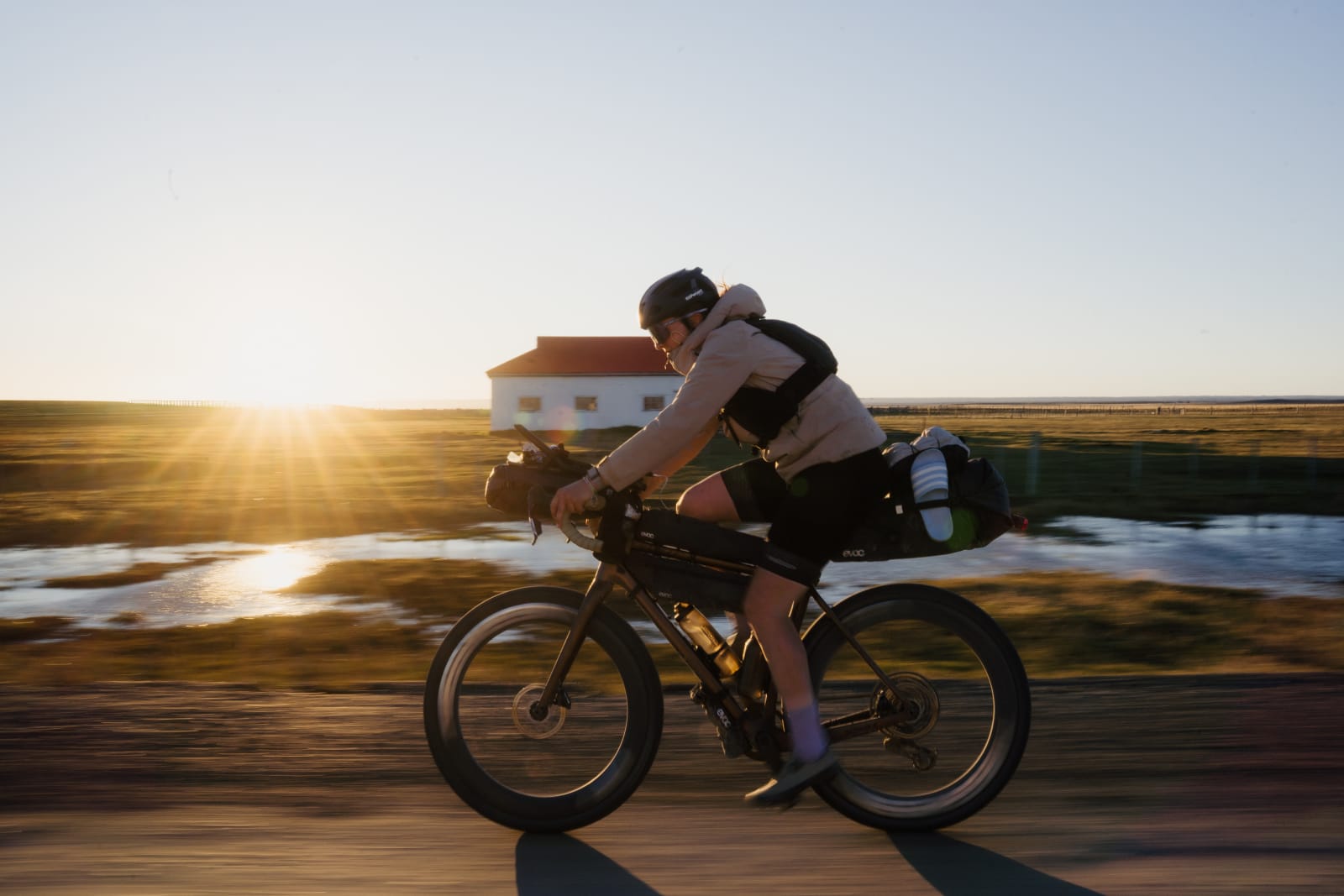
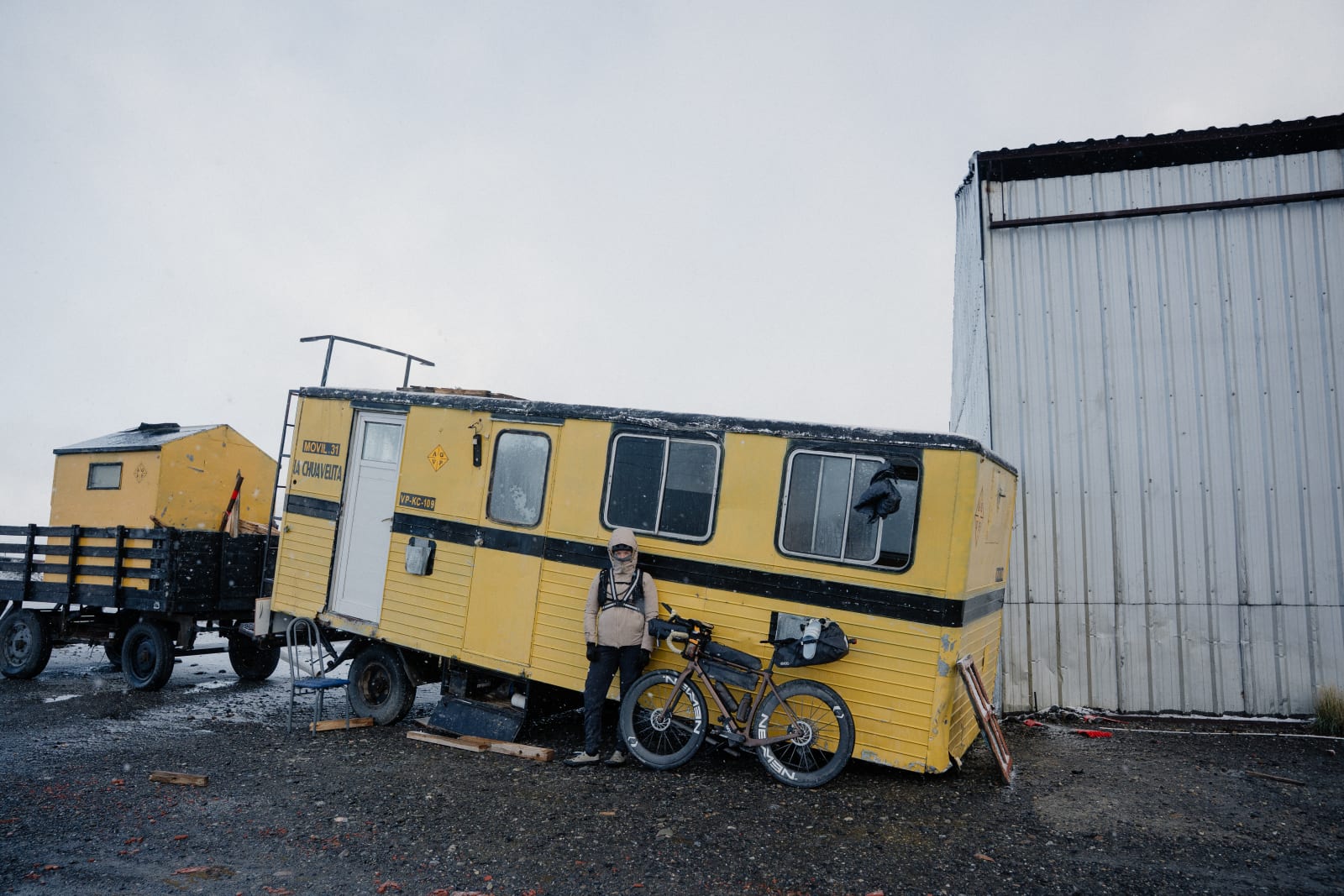
The first days were brutal. Rain, cold, wet shoes in the morning, long gravel roads. And then there was the Patagonian wind. Sometimes you’re pedaling downhill – against the wind. Gusts hit so suddenly from the side that you briefly think you’re about to get blown all the way to Argentina together with your bike.
And at the same time, something strange started happening. The harder it got, the quieter my mind became. Because Patagonia eventually strips everything unnecessary away. Life reduces itself to eating, water, finding a place to sleep, and riding on. And in that simplicity, there is an incredible kind of freedom.
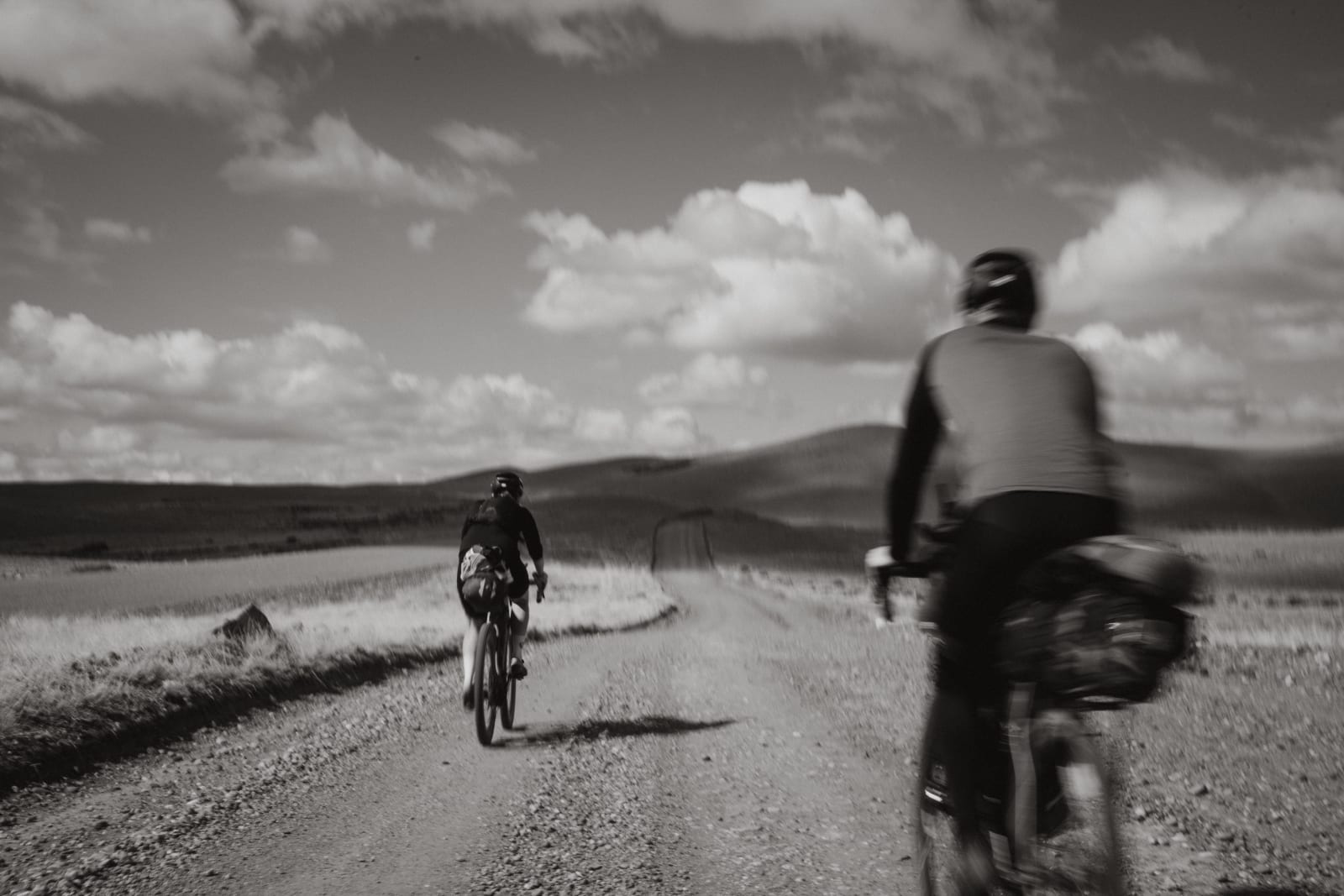
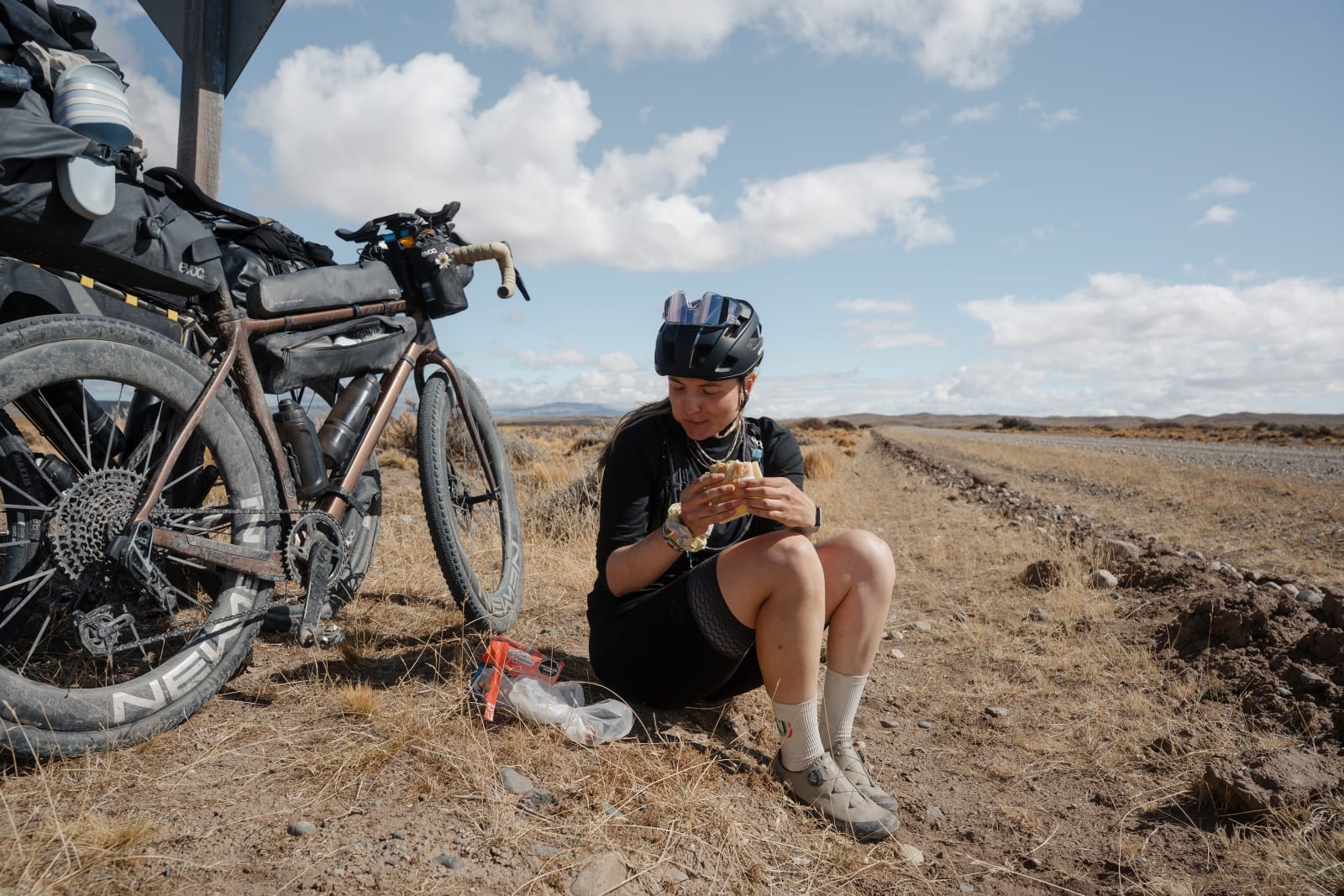
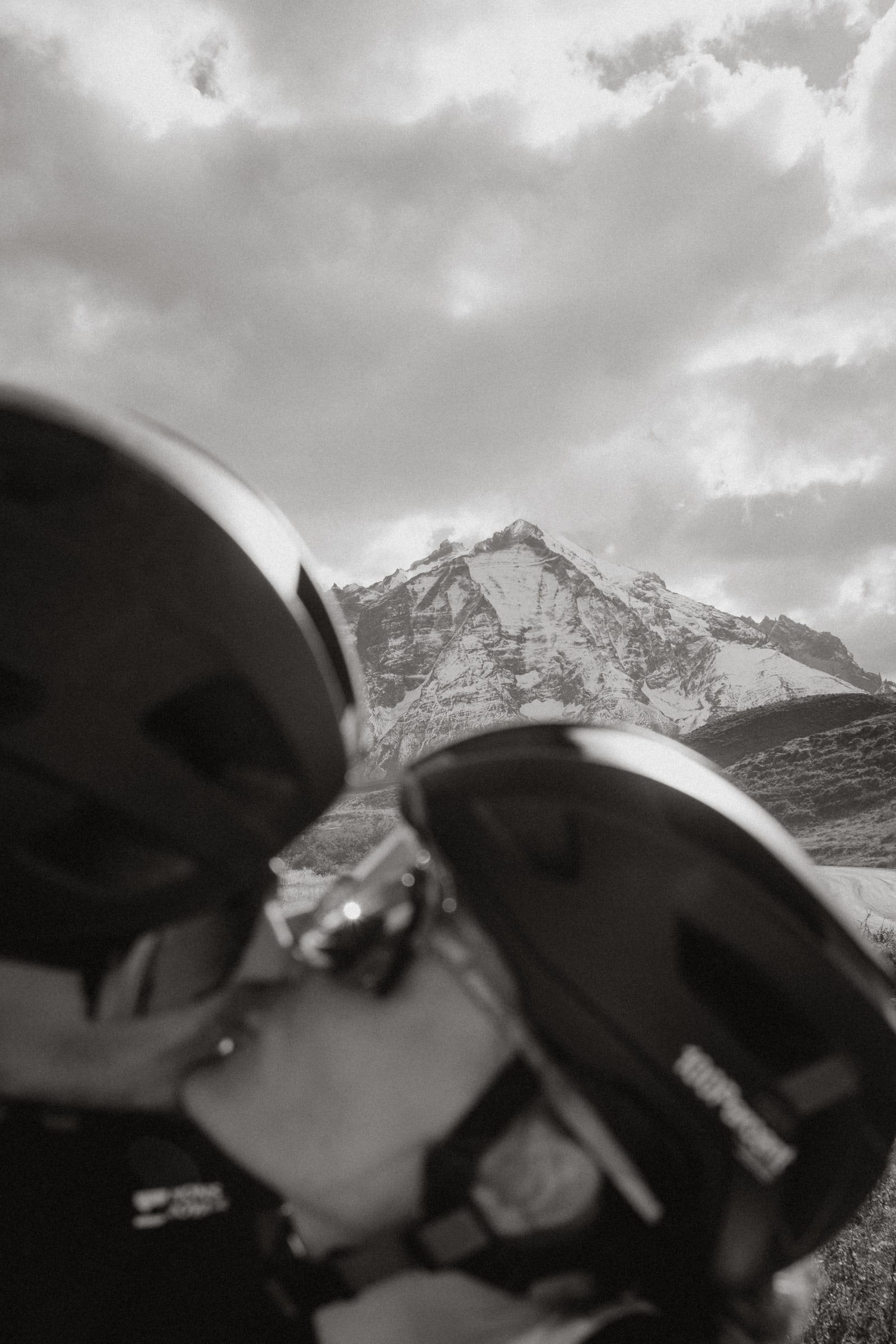
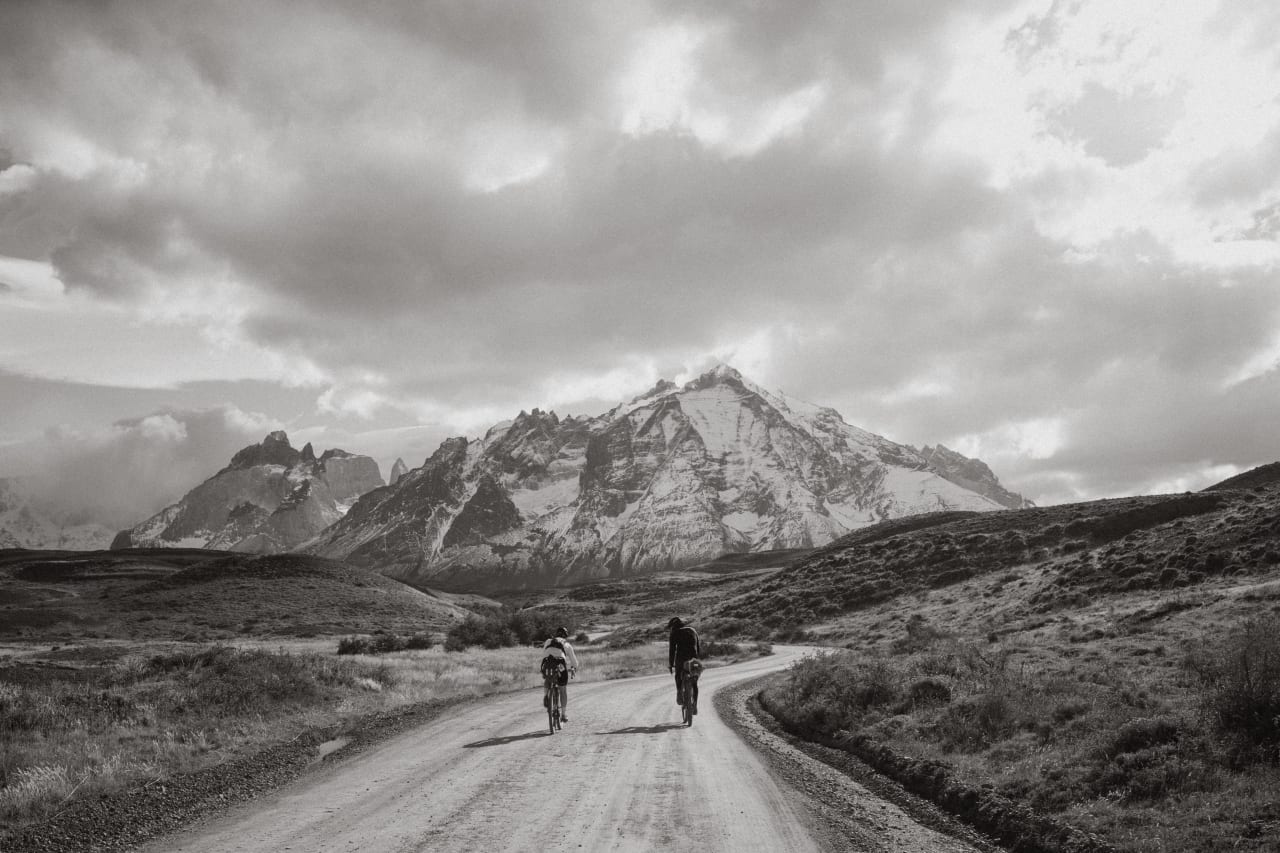
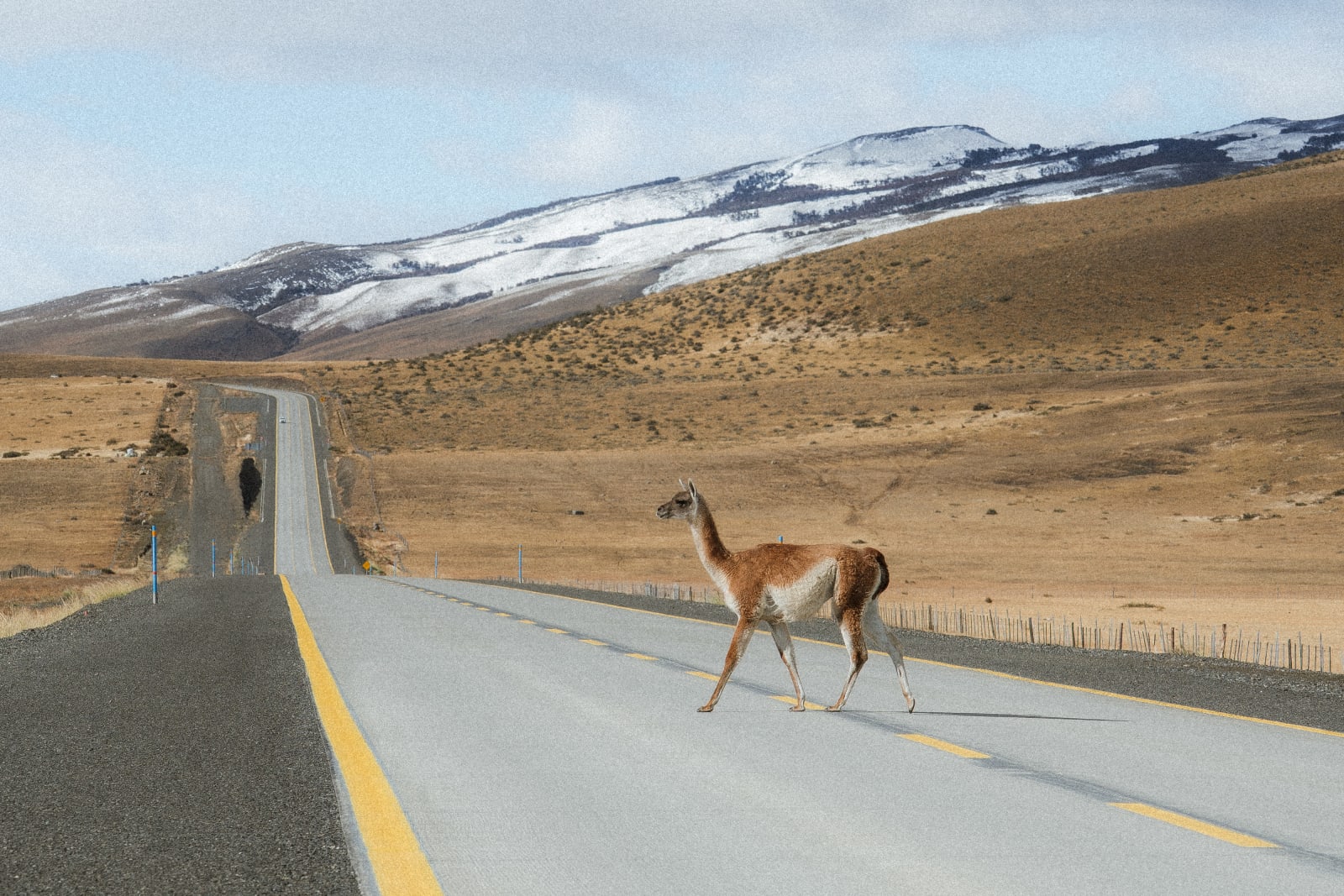
Of course, there were constantly these moments that made everything else disappear: guanacos right next to the road, turquoise lakes, sunsets over the steppe, landscapes that looked more like they were rendered than real. Within just a few days, dense forests turned into dry plains and later into the dramatic mountains of Torres del Paine National Park.
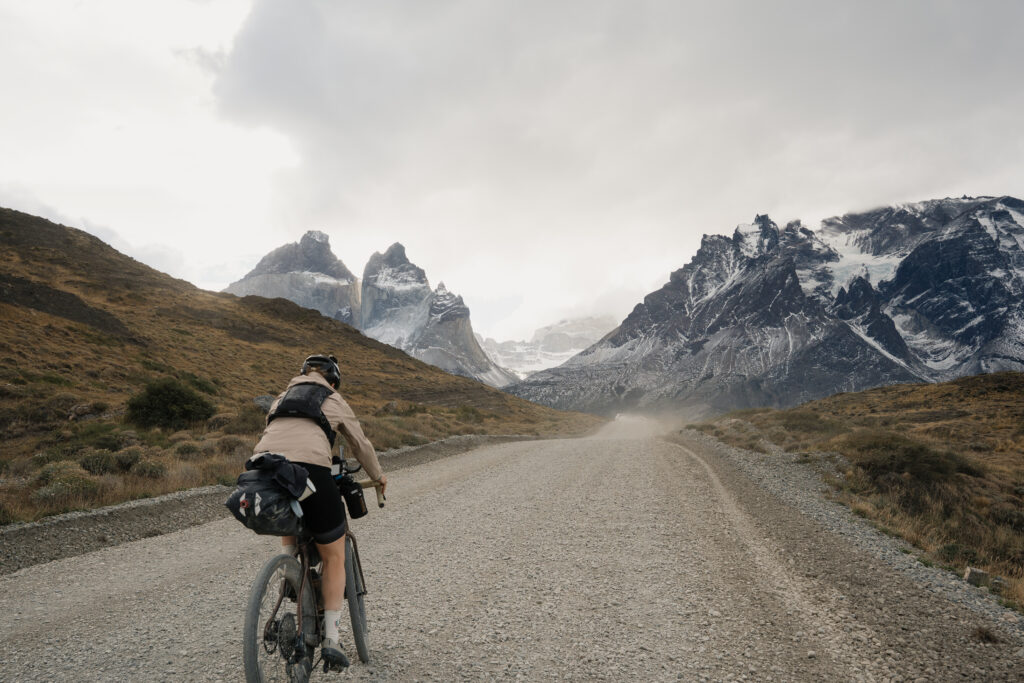
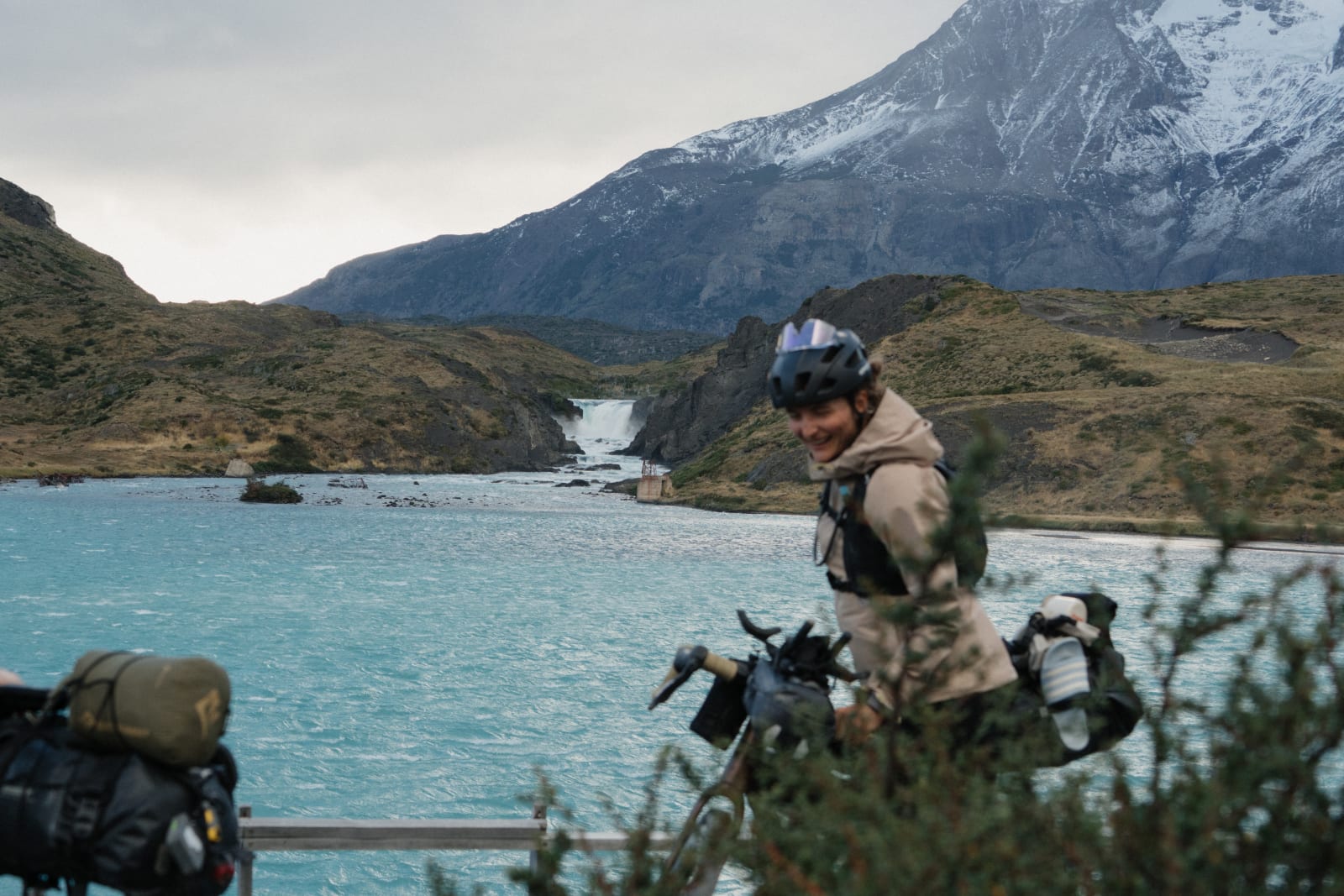
But what stayed with me just as much as the landscapes were the people along the way. The hospitality in Chile and Argentina was incredibly warm. Whether small cabañas, campsites, or random encounters on the roadside – we were always welcomed and supported.
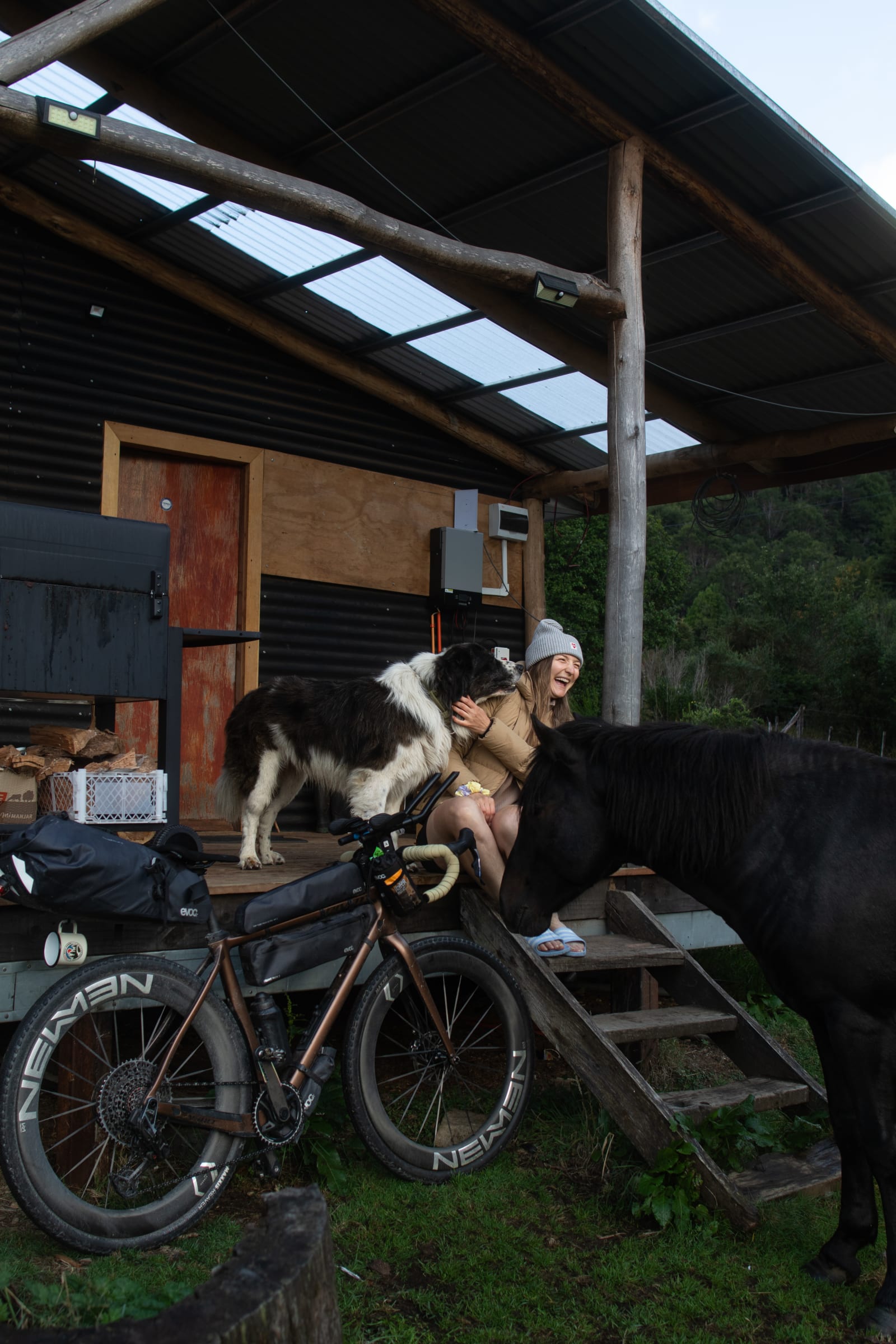
One evening in Chile stands out in particular. We ended up staying with an older man. Officially it was a campsite, but in reality it was just his property with horses, two dogs, and a small house. He let us shower, cook, and pitch our tent under his veranda because rain was coming. And I still remember sitting there thinking how insane it is that people on the other side of the world treat you like they’ve known you forever. Especially after the hard days, it was often these small encounters that gave you energy again.
After getting sick, we were eventually the last ones in the field. And honestly, that was probably the best thing that could have happened. Because suddenly all pressure was gone. No expectations anymore. And that’s when Patagonia really started for me.
Over time, we learned to care less about kilometers or speed and more about the experience itself. Just really being there. In the moment. In that landscape. In that experience. And I think that’s exactly what makes bikepacking so special for me.
Of course, there were also the really hard moments. Days with snowstorms where we were supposed to be evacuated for safety reasons. Days where I sat completely exhausted and crying in a roadside ditch thinking: This is really not a good time right now. But at the same time, those were often the moments that stayed with me the
most. Because you suddenly realize how close beauty and hardship can be.
Not despite it being hard, but because of it.
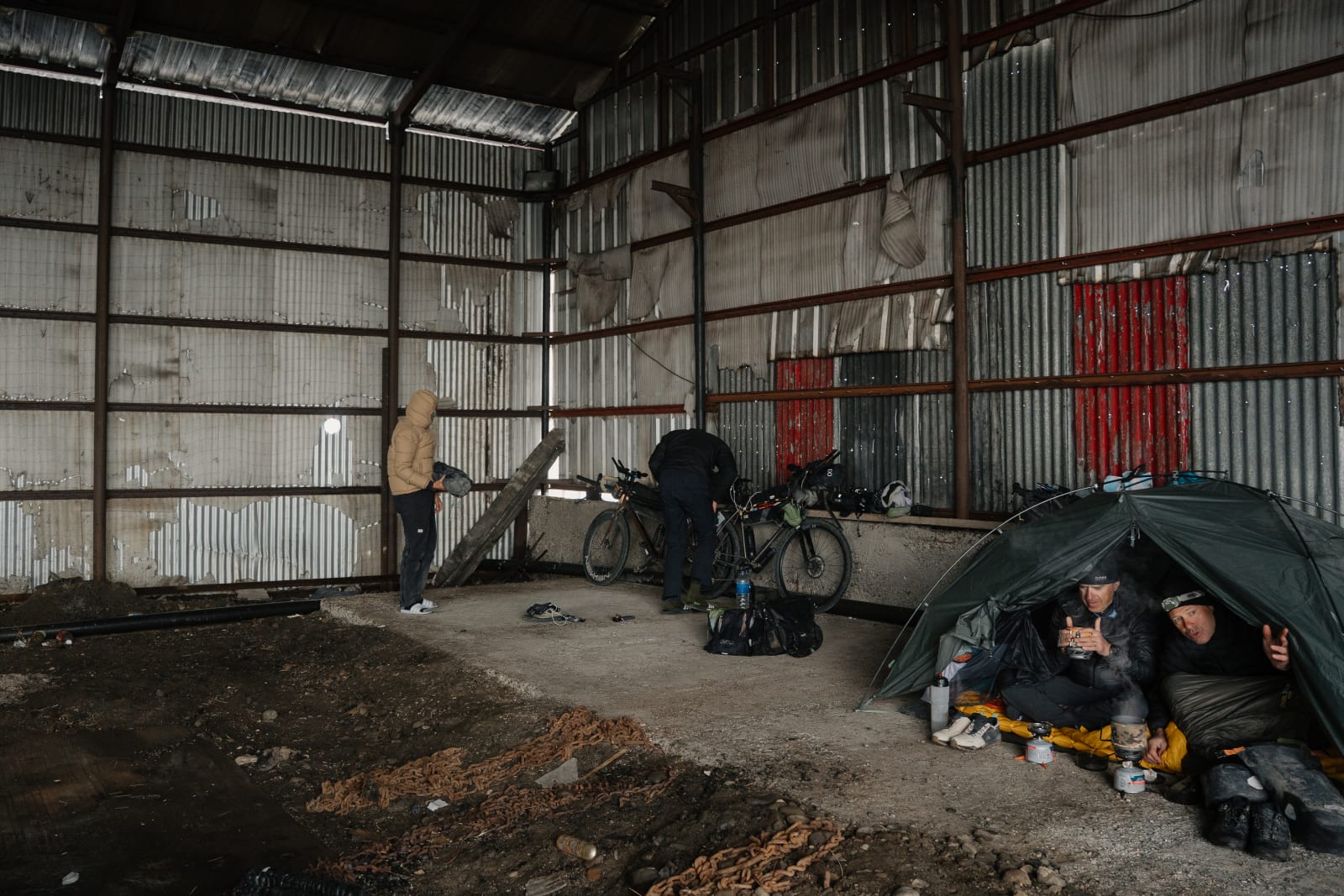
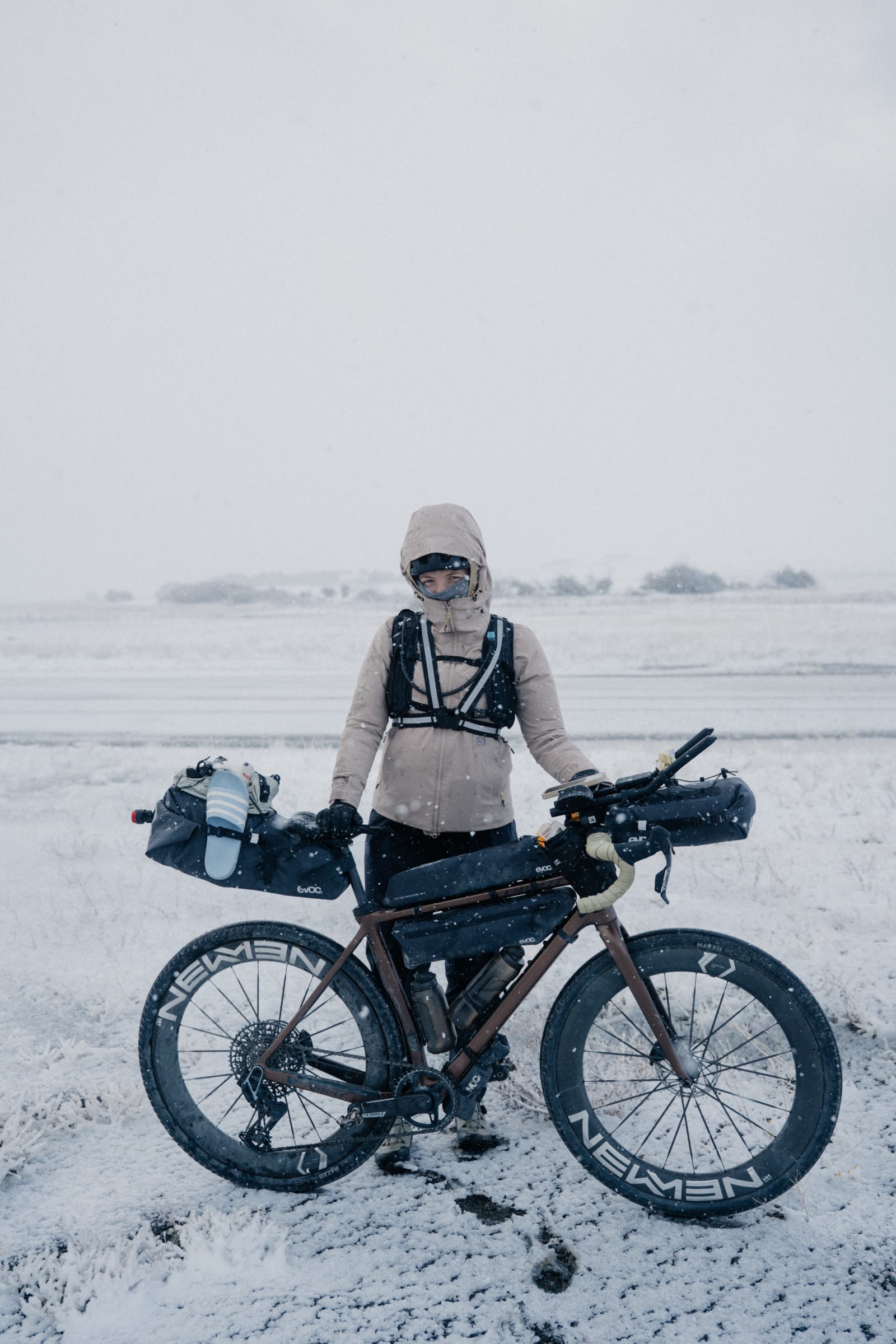
Patagonia showed me how little control you actually have. If there is headwind, there is headwind. And at some point you stop fighting it. You simply accept that today everything takes longer. That you are slower. And that you still move forward.
When we finally reached Ushuaia, the event had officially been finished for a while, but the goal itself had long become secondary. What mattered much more was everything in between – the exhaustion, the doubts, the small moments of joy, the shared struggle, and this feeling of fully surrendering to the unpredictable.
After 24 days, countless avocado sandwiches, far too many wet socks, and a somewhat questionable emotional relationship with freeze-dried food, we finally stood at the end of the world. As the last ones to finish.
And honestly – it was exactly right that way.